Puracé: the Andean condor and the páramo
A national park of 91,843 hectares between 2,500 and 4,700 metres, eleven volcanoes, hot springs and a small population of condors, Colombia's national bird. What to know before three days on the "mountain of fire".
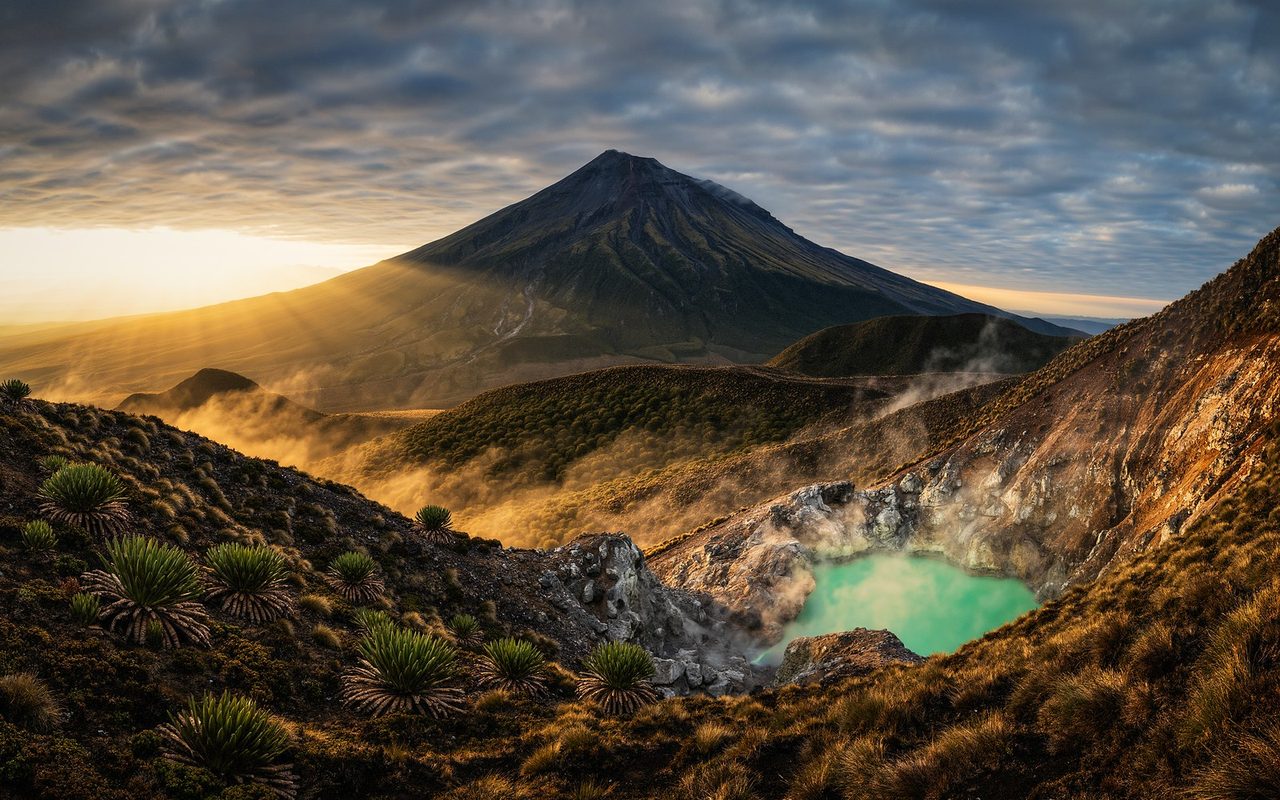
There are few places in Colombia where an active volcano, hot springs, frailejones and the national bird share the same horizon. Puracé National Natural Park, between Cauca and Huila, is one of them, and Andigena explores it over three days under the name that suits it best: "mountain of fire".
A park of volcanoes
According to the official page of Colombia's National Natural Parks agency, Puracé was declared on 17 December 1975 and protects 91,843.72 hectares between 2,500 and 4,700 metres. Its story is longer: Wikipedia recalls that the Cauca departmental government had already created it in 1961, before it joined the national system. Its ecosystems run from Andean forest to high Andean forest and páramo, and the park overlaps the Puracé and Paletará indigenous reserves, so entering it also means entering a territory inhabited and governed by its communities.
The relief is defined by the Coconucos volcanic chain, made up of eleven volcanoes. The most notable, according to the same page, are Pan de Azúcar (5,000 metres), Puracé (4,780 metres), the only active one, and Coconuco (4,600 metres). UNESCO's MAB programme, which included the park in the Cinturón Andino Biosphere Reserve in 1979, describes seven craters, hot springs, 30 lakes and waterfalls.
One practical detail that changes over time: the Parks page shows the status "open with restrictions", and some sectors may close because of volcanic activity. That is why the route is always confirmed with the park before departure.
The condor, a national bird listed as Vulnerable
The reason many people travel to Puracé has a three-metre wingspan. According to Bioexploradores, the Andean condor (Vultur gryphus) reaches a wingspan of up to 3.2 metres, can fly as high as 5,000 metres thanks to its tolerance of low oxygen, and is Colombia's national bird. It is listed as Vulnerable by the IUCN, and in Colombia around 70 individuals are estimated to remain, with populations declining because of hunting and poisoned carrion.
The park's official page speaks of "a small population of Andean condors" living in its steep canyons. Wikipedia adds a historical note: the San Diego Zoo helped reintroduce the species to the park in the 1990s. Seeing one soar is a matter of patience, early starts and guides who know the lookouts. It is never guaranteed; it is sought.
The páramo and the hot water
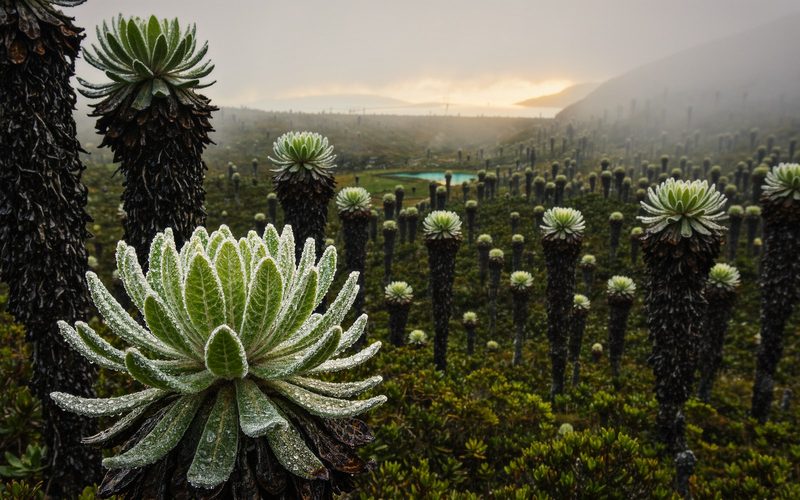
Between 3,000 and 4,000 metres the park is páramo: frailejones, lakes, mosses that soak up water from the mist. The country's great rivers are born here, as the Parks page recalls. Andigena's walk through the páramo towards the San Juan thermal sector is the physical core of the experience; volcanic hot water at the end of the day is its reward. Every step stays on the marked trail, because a trampled frailejón takes decades to recover.
Park rules and preparation
National Parks puts it plainly in its recommendations: the guide service is compulsory, you must hold an accident and rescue insurance policy to enter a protected area, no single-use plastics come in, "what you bring in, you take out", no drones, no feeding animals, and no fires or camping outside authorised sites.
Then there is altitude. Sleeping above 3,000 metres and walking at 4,000 is felt: slow pace, plenty of water, light food, layered clothing and high sun protection. Andigena rates Puracé level 3, demanding, and its programme includes entry to indigenous reserves and parks, certified guiding and medical assistance.
With Andigena
"Puracé National Natural Park, mountain of fire" is a three-day, two-night experience with local food, transport, two nights' lodging, entry to indigenous reserves and parks, certified guiding, medical assistance and a photo record; it includes bird and orchid watching, hot springs and a páramo walk. Details at /experiencias/pnn-purace/.
With Phoenix
Andigena is the official adventure partner of Phoenix Initiative Colombia. Phoenix Oasis, a women's fitness oasis in Rivera, Huila, has announced its opening for 30 June 2028 and takes pre-bookings with no payment; its stay programmes are described at becomephoenix.com/en/retreats. Phoenix operates through two distinct legal entities, Fundación Phoenix Initiative Colombia and Fondation Phoenix Initiative France.
Sources
- Parques Nacionales Naturales de Colombia, "Parque Nacional Natural Puracé", consulted 4 October 2026: https://www.parquesnacionales.gov.co/nuestros-parques/pnn-purace/
- Bioexploradores, "Vultur gryphus (Cóndor de los Andes)", consulted 4 October 2026: https://www.bioexploradores.com/vultur-gryphus/
- Wikipedia (English), "Puracé National Natural Park", consulted 4 October 2026: https://en.wikipedia.org/wiki/Purac%C3%A9_National_Natural_Park
- UNESCO, MAB Programme, "Cinturón Andino", consulted 4 October 2026: https://www.unesco.org/en/mab/cinturon-andino
- Parques Nacionales Naturales de Colombia, "Recomendaciones para visitar los Parques Nacionales Naturales de Colombia", consulted 4 October 2026: https://old.parquesnacionales.gov.co/portal/es/recomendaciones-cuando-visitas-un-parque-nacional-natural-de-colombia/
- Andigena Nature Tours 2026 portfolio, PNN Puracé "Montaña de fuego" sheet.
AI-generated mood image.
Sources
- https://www.parquesnacionales.gov.co/nuestros-parques/pnn-purace/
- https://www.bioexploradores.com/vultur-gryphus/
- https://en.wikipedia.org/wiki/Purac%C3%A9_National_Natural_Park
- https://www.unesco.org/en/mab/cinturon-andino
- https://old.parquesnacionales.gov.co/portal/es/recomendaciones-cuando-visitas-un-parque-nacional-natural-de-colombia/
- /experiencias/pnn-purace/
Related articles
Journal · AI image
Training at 700 metres and hiking at 3,500: the body in the mountains
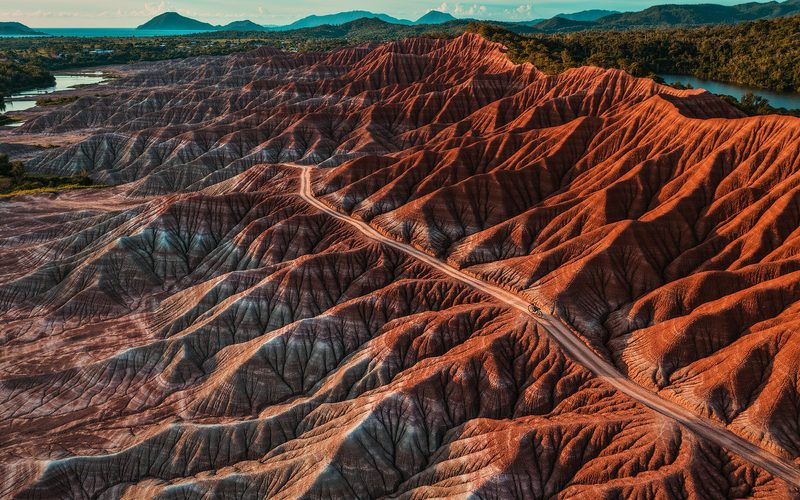
The real altitudes of the trip, from Rivera at 700 metres to the Laguna de la Magdalena at 3,327 and the Puracé volcano at 4,646, with sources, and how to prepare a páramo hike without medical promises: progression, acclimatisation, layers and water.
Journal · AI image
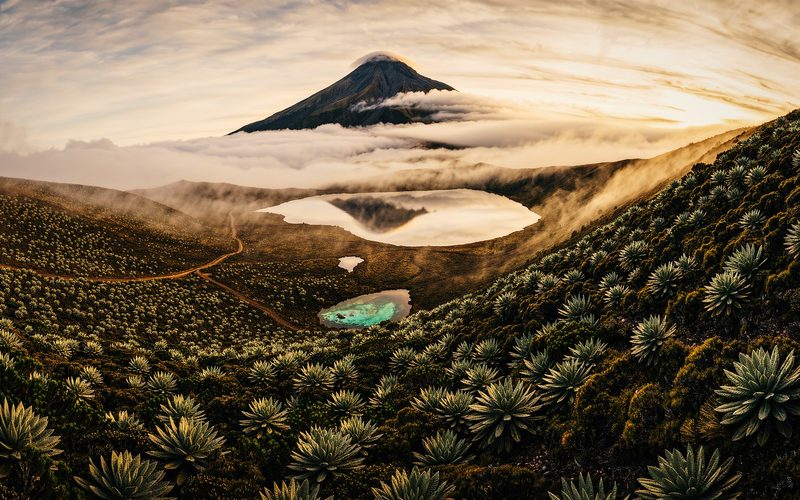
Frailejones: the plants that make Colombia's water
They grow one to three centimetres a year, live up to a century and hold the water of the mist in their leaves. Colombia has 98 frailejón species, 73 of them found nowhere else, and half of the world's páramos. Why walking among them demands such respect.
Journal · AI image
Semana Phoenix: seven days of adventure with Phoenix and Andigena
The real Semana Phoenix programme as recorded in Andigena's guide: the Tatacoa by bike, Rivera, horse riding at Finca Don Pedro, paragliding at the Mano del Gigante and rafting at Paicol, with transport and safety handled by Phoenix. No invented dates.