The Chocó biogeographic region: one of the most biodiverse places on Earth
187,400 km² from Panama to Peru, 9,000 vascular plants, the rainiest place in Colombia and 25 % endemic species. What it means to travel to Nuquí, and why ecological restoration is the Phoenix Foundation's first pillar.
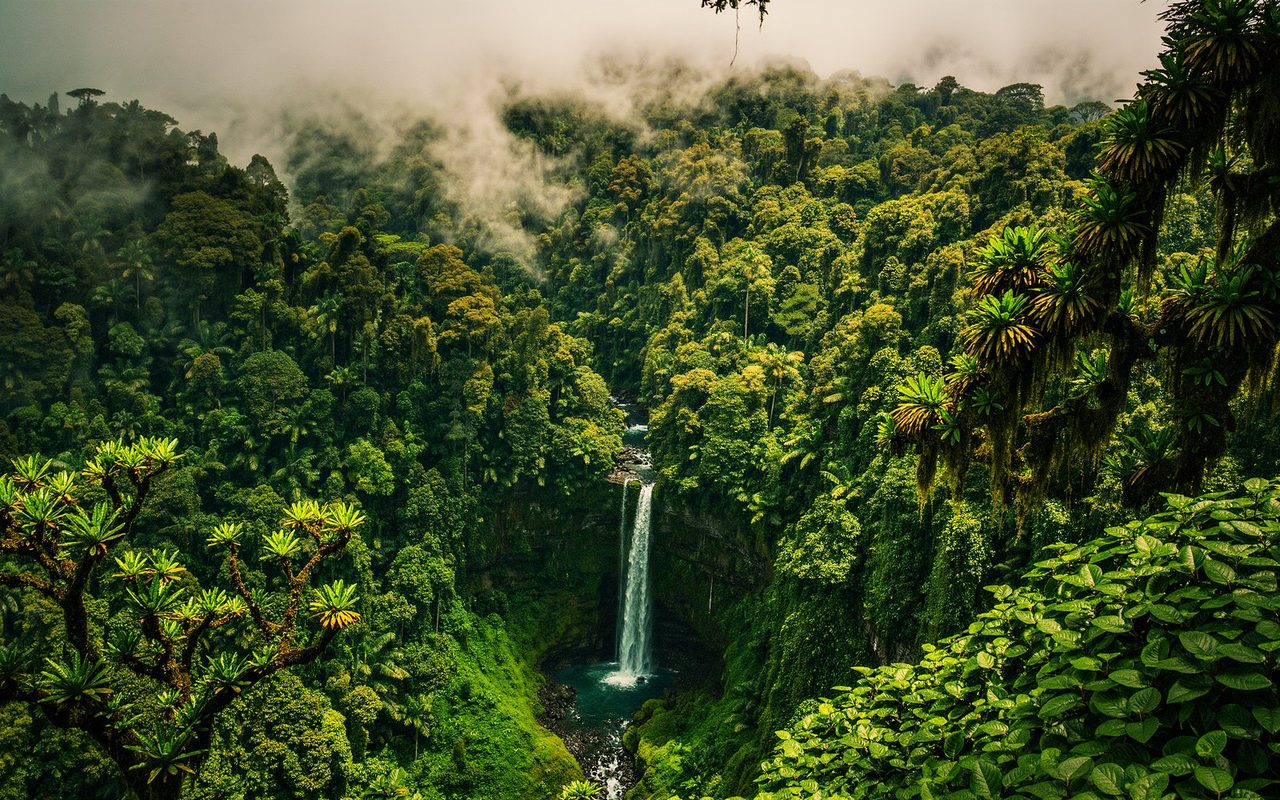
Between the Western Cordillera and the Pacific lies a strip of rainforest where it rains more than almost anywhere else on the planet and where one species in four exists nowhere else. Travelling to Nuquí means entering it. Here is what the data say, and why it matters to us.
One region, three countries
The Chocó biogeographic region is not just the department of Chocó. It is a natural region running from eastern Panama, along the whole Pacific coast of Colombia and Ecuador, to northern Peru, covering some 187,400 km² according to the Wikipedia overview. In Colombia it takes in Chocó, which gives it its name, and parts of Valle del Cauca, Cauca, Nariño and Antioquia, plus the Urabá and the middle Magdalena valley. It is bounded to the east by the Western Cordillera of the Andes, which is responsible for everything else: it stops the heavy clouds coming off the Pacific and forces them to unload here.
The rainiest place there is
The rainfall figures are hard to believe. Across the region, between 3,000 and 16,000 mm fall each year depending on the spot, Wikipedia notes; in the Naya river basin, near López de Micay, 13,000 mm a year has been recorded. For comparison, Colombia is the rainiest country in the world with an average of 3,240 mm a year, according to FAO data cited by El Colombiano. The municipality of Lloró, in Chocó, is the rainiest place in Colombia, with 13,300 mm of annual precipitation according to IDEAM, the national weather agency, as cited by El Espectador, which points out the paradox: it rains 20 to 25 days a month and the town has never had drinking water for a full day.
That water is what explains the forest. A traveller arriving in Nuquí should accept that they will get wet every day, in any month, and that rain is not a setback but the condition of the place.
The numbers of life
Wikipedia summarises for the Chocó biogeographic region some 9,000 species of vascular plants, 200 mammals, 600 birds, 100 reptiles and 120 amphibians, and notes that roughly 25 % of plant and animal species are endemic, meaning they live nowhere else. On a larger scale, Conservation International defines the Tumbes-Chocó-Magdalena biodiversity hotspot, which includes this region, with about 11,000 plant species, 2,750 of them endemic, and close to 900 bird species, around 110 of them found only here.
In Utría National Natural Park, between Nuquí and Bahía Solano, those figures become concrete: 64,328 hectares declared in 1987, with "coral reefs, mangroves, rocky shores and tropical rainforest", around 270 bird species and 10 of the 16 coral species of the Colombian Pacific, according to Parques Nacionales. On our expedition, the photography workshop and the bird and amphibian outings are the way to look at that diversity without touching it.
What is at stake
The same source that gives the figures gives the warning: the region is classified as vulnerable and only about 6.3 % of the Chocó is protected by reserves and national parks. Illegal logging of high-value timber such as black oak, mahogany and cedar is among the main threats, along with mining and deforestation. The Afro-Colombian communities and the Emberá people, whom Parques Nacionales recognises as part of Utría's cultural values, are the ones who live in that territory and defend it.
That is why a trip to Chocó is not neutral. Choosing local operators, community lodgings, guides from the area and a strict zero-waste rule is the difference between tourism that pays for conservation and tourism that spends it. It is the rule Andigena builds its expedition on.
With Andigena
Chocó Biogeographic Expedition, Nuquí, four days and three nights, from 2,000,000 COP per person (2026 portfolio, not contractual), with local guides, internal boat transport, full board, three nights' lodging, medical assistance and photo coverage. Sheet at /experiencias/expedicion-choco-nuqui/.
With Phoenix
Ecological restoration is the first pillar of Fundación Phoenix Initiative Colombia (NIT 901899379-2), alongside art, culture and training; eco-responsible infrastructure; wellbeing and healthy living; and media and outreach, according to becomephoenix.com/en/foundation. In 2026 the Foundation published on its channels its mission "Un refugio para Bajo Calima y el Chocó", in Buenaventura, within the Chocó biogeographic region. Andigena is the official adventure partner of Phoenix Initiative Colombia. Fundación Phoenix Initiative Colombia and Fondation Phoenix Initiative France are two distinct legal entities; every donation goes to one of them only. Phoenix Oasis, in Rivera, has its opening announced for 30 June 2028, with pre-booking without payment.
Sources
- Chocó biogeográfico, Spanish Wikipedia: https://es.wikipedia.org/wiki/Choc%C3%B3_biogeogr%C3%A1fico (consulted 4 October 2026)
- El Espectador, La paradoja de Lloró, el municipio donde más llueve en Colombia, with IDEAM data: http://static.elespectador.com/especiales/1405-lloroagua/index.html (4 October 2026)
- El Colombiano, La razón por la que Colombia es el país más lluvioso del mundo, with FAO data: https://www.elcolombiano.com/medio-ambiente/pais-del-mundo-donde-mas-llueve-XD7511550 (4 October 2026)
- Tumbes-Chocó-Magdalena, English Wikipedia, with Conservation International figures: https://en.wikipedia.org/wiki/Tumbes%E2%80%93Choc%C3%B3%E2%80%93Magdalena (4 October 2026)
- Parques Nacionales Naturales de Colombia, Parque Nacional Natural Utría: https://www.parquesnacionales.gov.co/nuestros-parques/pnn-utria/ (4 October 2026)
- Phoenix Oasis, Foundation: https://becomephoenix.com/en/foundation (4 October 2026)
- Andigena Nature Tours, Chocó Biogeographic Expedition, Nuquí sheet, 2026 portfolio.
AI-generated mood image.
Sources
- https://es.wikipedia.org/wiki/Choc%C3%B3_biogeogr%C3%A1fico
- http://static.elespectador.com/especiales/1405-lloroagua/index.html
- https://www.elcolombiano.com/medio-ambiente/pais-del-mundo-donde-mas-llueve-XD7511550
- https://en.wikipedia.org/wiki/Tumbes%E2%80%93Choc%C3%B3%E2%80%93Magdalena
- https://www.parquesnacionales.gov.co/nuestros-parques/pnn-utria/
- https://becomephoenix.com/es/foundation
- /experiencias/expedicion-choco-nuqui/
Related articles
Journal · AI image
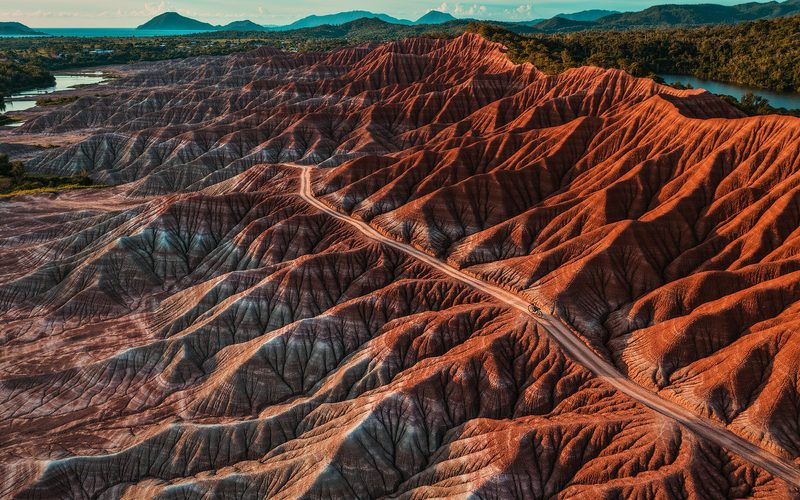
Huila's climate: when to go for each experience
Two rainy seasons, two dry ones and four thermal zones in a single department: how to read Huila's calendar, from the heat of the Tatacoa to the cold of the páramo, and when each Andigena outing makes most sense.
Journal · AI image
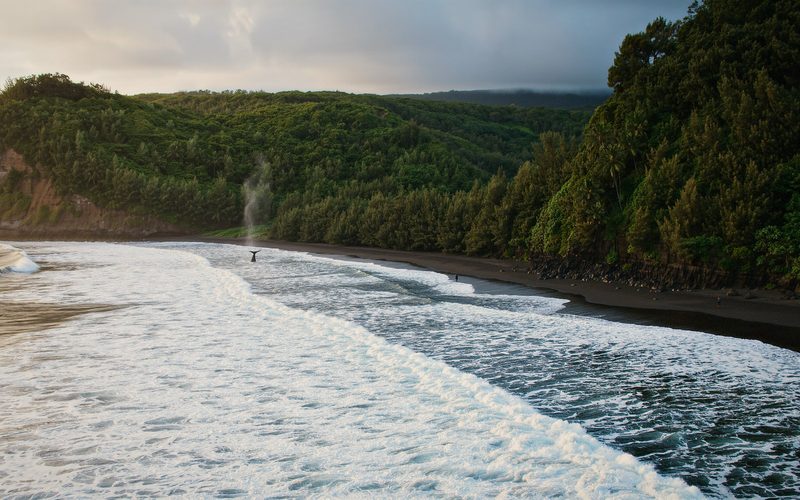
Humpback whales in Nuquí: the July to October season
Every year humpbacks travel more than 8,000 km from Antarctica to give birth in the Colombian Pacific. Dates, Parques Nacionales rules (200 metres, 30 minutes, five boats) and what Andigena's Nuquí expedition looks like.
Journal · AI image
Semana Phoenix: seven days of adventure with Phoenix and Andigena
The real Semana Phoenix programme as recorded in Andigena's guide: the Tatacoa by bike, Rivera, horse riding at Finca Don Pedro, paragliding at the Mano del Gigante and rafting at Paicol, with transport and safety handled by Phoenix. No invented dates.